If you’ve ever wondered what the crawl space humidity level under your home should be, here’s the short answer. Most experts, including the EPA, say to keep indoor relative humidity below 60 percent, and ideally between 30 and 50 percent. A healthy crawl space should stay in that same range all year. When it climbs above 60 percent for long stretches, mold, wood rot and musty smells start to become real risks.
In North Carolina, that’s easier said than done. Our summers are long, hot and sticky, and a typical vented crawl space pulls that damp air right under the house. In this guide, we’ll explain what the numbers mean and the signs your crawl space is too humid. We’ll also show you how to check it yourself and how we bring it under control.
What Does “Relative Humidity” Mean?
Relative humidity (often written as RH) is a measure of how much water vapor is in the air compared to the most it could hold at that temperature. At 100 percent, the air is fully saturated and water starts to condense on surfaces. At 50 percent, the air is holding half of what it could.
Temperature matters a lot here. Cool air can hold less moisture than warm air. So when warm, humid summer air drifts into a cooler crawl space, its relative humidity goes up. If it touches something cold enough, like a metal duct or a water pipe, it can turn into droplets. The EPA notes that condensation forms when warm, humid air meets a cold surface, and that’s exactly what happens under many Carolina homes.
The Ideal Crawl Space Humidity Level
A good target for your crawl space is the same as for the rest of your home. Aim to stay below 60 percent, with 30 to 50 percent being ideal. Short spikes after a rainstorm aren’t a big deal. The real problem is humidity that stays high for days or weeks at a time.
Here’s a simple way to think about the readings:
- Below 50%: Excellent. Mold and wood-damaging fungi have a hard time getting started.
- 50% to 60%: Acceptable, but keep an eye on it, especially in summer.
- 60% to 70%: Too high. Mold and mildew can begin to grow, and odors may move up into the house.
- Above 70%: A problem that needs attention. Wood framing, insulation and ductwork are at risk.
Why High Crawl Space Humidity Is a Problem
Your crawl space isn’t sealed off from the rest of your home. Air naturally moves upward through gaps around pipes, wires and ducts. That means the air under your floor can end up in the rooms you live in. When it’s damp, that moisture causes trouble in a few ways.
Mold and Musty Odors
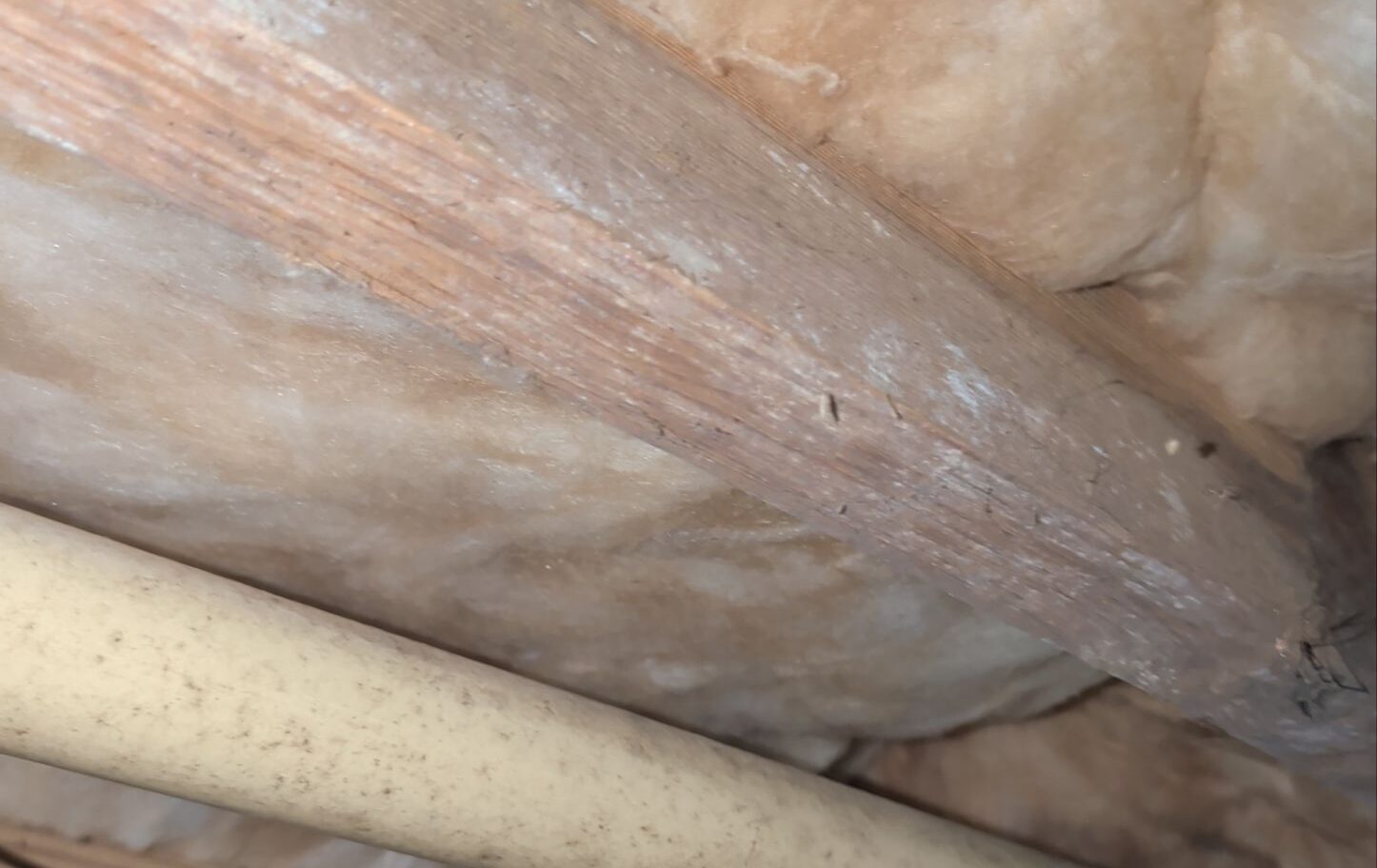
Mold needs moisture, and a humid crawl space gives it plenty. It often shows up on floor joists, the wooden beams that hold up your floor, and on the underside of the subfloor. You may notice a musty smell under your house long before you ever see the mold itself.
Wood Rot and Structural Damage
Wood that stays damp for a long time can start to soften and rot. Over time, that can weaken joists and girders. A girder is the larger main beam that supports the joists. Damaged framing can lead to soft, bouncy or sagging floors, which are much more costly to fix than a humidity problem.
Sweating Ducts and Pipes
In summer, your air conditioning ducts carry cold air through the crawl space. When humid air hits them, they can drip like a cold glass of iced tea. That water soaks insulation and the ground below. We’ve written more about this in our article on sweating ductwork in your crawl space.
Pests and Higher Energy Bills
Damp, dark spaces attract insects like termites, crickets and other pests. Moist air is also harder for your HVAC system to cool. Research by the U.S. Department of Energy found that sealed, conditioned crawl spaces used 15 to 18 percent less energy for heating and cooling than vented ones.
Signs Your Crawl Space Humidity Is Too High
You don’t always need a meter to know something is off. These are some of the most common warning signs we see in North Carolina homes:
- A damp, earthy or musty smell inside the house, especially in summer
- Indoor air that feels sticky even when the AC is running
- Condensation or dripping on ducts, pipes or insulation in the crawl space
- Fiberglass insulation that sags, falls down or feels wet
- White, gray or black fuzzy growth on wood framing
- Hardwood floors that cup, buckle or develop gaps
- More bugs than usual inside the home
Why North Carolina Crawl Spaces Struggle With Humidity
For decades, crawl spaces were built with vents in the foundation walls. The idea was that outside air would dry them out. In a humid climate like ours, it often does the opposite.
Advanced Energy, a North Carolina research group, studied this closely. They found that during the warm seasons, outside air carries more water vapor than the air already in the crawl space. That means the vents bring moisture in rather than letting it out. Their research helped lead to North Carolina building code rules that allow sealed, or closed, crawl spaces.
Bare dirt floors make things worse. Soil releases moisture into the air, and the EPA points out that crawl spaces with exposed earth are a common place for hidden mold. Add in our heavy rains and red clay soil, which drains slowly, and many crawl spaces stay damp for much of the year.
How to Check Your Crawl Space Humidity Yourself
The easiest way to know your crawl space humidity level is to measure it. A basic digital hygrometer (a small humidity meter) is inexpensive and sold at most hardware stores. Many models can send readings to your phone, so you don’t have to go back under the house.
- Place the hygrometer just inside the crawl space access door, off the ground.
- Leave it for at least a few days so you see more than one reading.
- Check it at different times of day, and after a rainy spell.
- Compare the readings in summer and winter. Summer is usually the worst.
A quick word of caution. Crawl spaces can have sharp objects, exposed wiring, pests and mold. If you go in, wear gloves, a mask and eye protection, and let someone know you’re down there. If you’d rather not crawl in at all, that’s completely fine. Our team does it every day.
What You Can Do Right Now
A few simple steps can help while you plan a longer-term fix:
- Make sure gutters are clean and downspouts carry water well away from the house.
- Check that soil slopes away from your foundation so rain doesn’t pool against it.
- Look for plumbing leaks or dripping AC lines under the house.
- Make sure dryer vents and bathroom fans vent outside, not into the crawl space.
These steps help, but they rarely solve a humidity problem on their own. If your readings stay above 60 percent, the crawl space itself usually needs to be sealed and dried.
When to Call a Professional
It’s time to call a pro if your humidity stays high for more than a week or two, or if you see any of the warning signs above. You should also call if you find wet insulation, visible mold or soft wood. The sooner moisture is controlled, the less damage it can do.
How We Fix High Crawl Space Humidity
At Walsh, every job starts with a thorough crawl space inspection. We measure humidity, check the moisture in your wood framing, and look for water coming in from outside. Then we recommend the fix that fits your home. That may include some or all of the following.
Crawl Space Encapsulation
Crawl space encapsulation seals the space from the outside. We cover the ground and walls with a heavy-duty vapor barrier, seal the vents and openings, and close up the access door. This stops humid outdoor air and ground moisture from getting in.
Crawl Space Dehumidifier
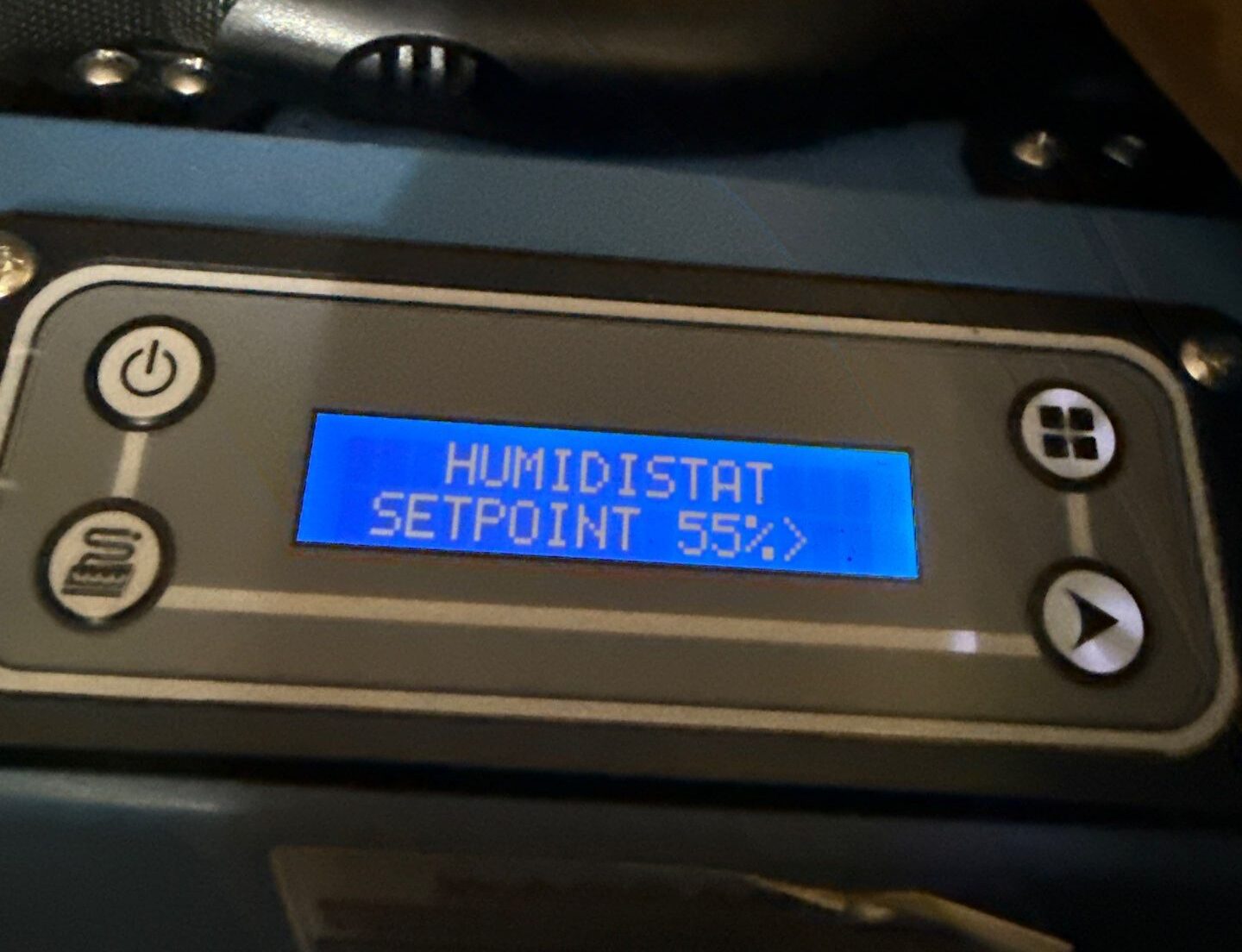
Once the space is sealed, a crawl space dehumidifier keeps the air at a safe level. These units are built for crawl spaces and drain automatically, so there’s no bucket to empty.
Drainage and Repairs
If water is coming in, we may add drainage or a sump pump to move it away. If moisture has already damaged insulation, wood or framing, we can clean up mold and repair the structure so your floors stay solid.
Frequently Asked Questions
Is 70 percent humidity in a crawl space bad?
Yes. At 70 percent, mold and mildew can grow, and wood can start taking on moisture. If your crawl space sits at that level for long, it’s worth having it checked.
Should I close my crawl space vents in the summer?
Closing vents alone usually isn’t enough. Without a proper vapor barrier and a way to dry the air, moisture from the ground can still build up. A sealed crawl space works best as a complete system.
Can I just put a regular dehumidifier in my crawl space?
Household dehumidifiers aren’t designed for crawl spaces. They can struggle with cooler temperatures, and most need their buckets emptied. A crawl space unit works best in a sealed space.
Does high crawl space humidity affect the air in my home?
It can. Air from the crawl space moves up into the living space, so moisture and odors from below can affect the comfort and smell of your home.
Schedule a Crawl Space Inspection With Walsh
If your crawl space humidity level is too high, or you’re not sure what it is, we can help. Walsh Crawl Space and Structural Repair serves homeowners across Charlotte, Greensboro, Winston-Salem and the surrounding areas. Schedule a crawl space inspection and we’ll show you exactly what’s happening under your home and how to fix it.