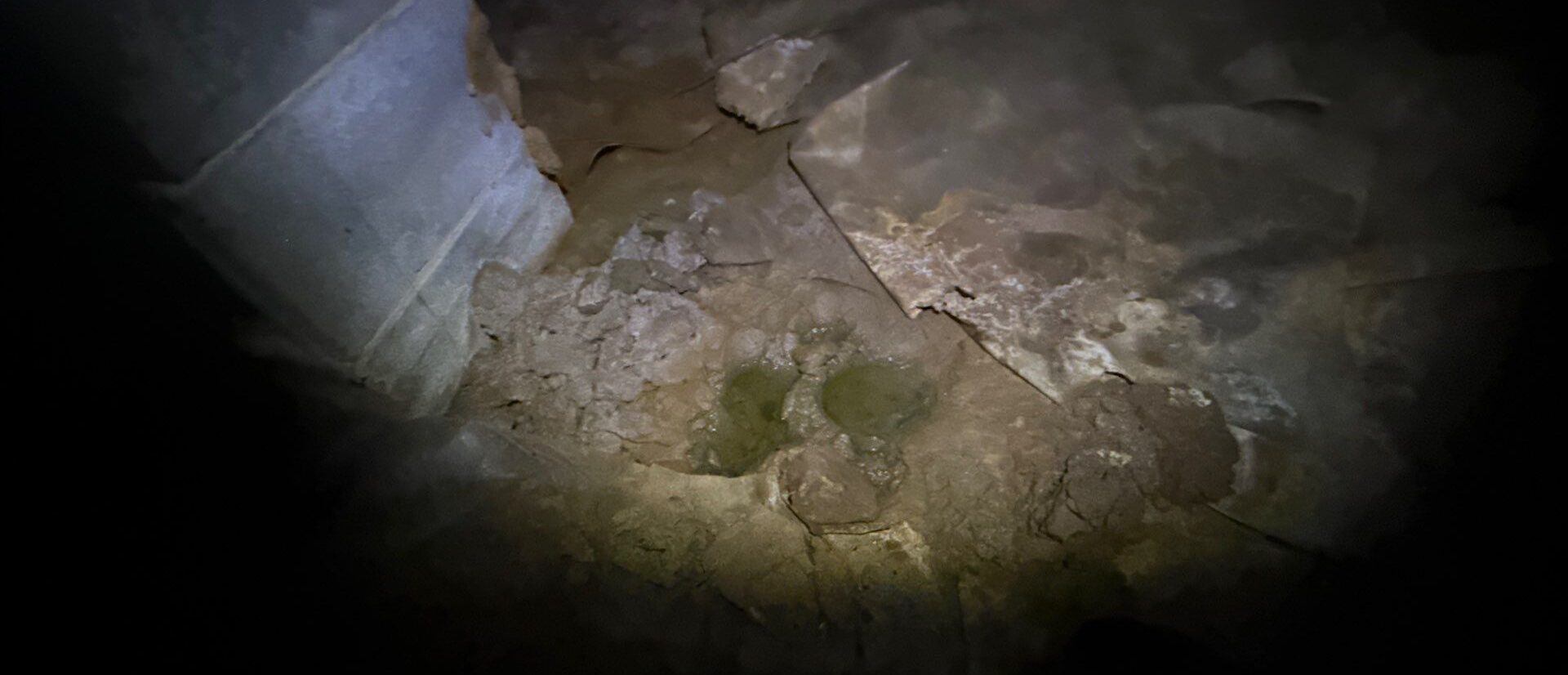
If you find standing water in your crawl space after rain, it means water is getting in faster than it can drain away. A damp spot that dries in a day or two is one thing. Puddles that sit for days, or show up after every storm, are a sign your home needs better drainage.
The good news is that most causes are fixable. In this guide, we’ll explain why water collects under a house. We’ll also cover what you can safely check on your own and when it’s time to call a pro.
Is Standing Water in a Crawl Space Ever Normal?
Not really. A crawl space should stay dry, even after a heavy storm. A little dampness on the soil can happen in North Carolina’s humid weather. But pooled water is a problem worth taking seriously.
Water under your home doesn’t just sit there quietly. It evaporates into the air, raising the humidity in the crawl space. That moist air can drift up into your living space and feed mold, wood rot and pests.
Signs You Have a Water Problem Under Your House
You may not go into your crawl space very often. That’s normal. These clues can tip you off that water is collecting down there:
- A musty or earthy smell inside the house, especially after rain
- Puddles or wet, muddy soil you can see through the crawl space door or vents
- Water stains or a “bathtub ring” line on the foundation walls or piers
- A vapor barrier (the plastic sheet on the ground) that sags, floats or holds water on top
- Rust on metal ductwork, pipes or support jacks
- More bugs than usual, like crickets, spiders or termites
- Floors that feel soft, damp or bouncy
If you notice a musty odor first, our guide on musty smells under your house explains how that smell connects to moisture below.
Common Causes of Water in a Crawl Space After Rain
Most crawl space flooding comes down to one simple idea. Rainwater is either being pointed toward your house, or it has nowhere to go once it gets there.
Downspouts That Dump Water at the Foundation
A single roof can shed a lot of water in a storm. If your downspouts empty right next to the house, that water soaks into the soil along the foundation. From there, it finds its way inside.
Clogged gutters make this worse. When they overflow, water pours straight down beside the walls.
Yard Grading That Slopes Toward the House
The ground around your home should slope away from it. Building codes generally call for the soil to drop at least 6 inches over the first 10 feet away from the foundation. Over time, soil settles, and flower beds or mulch can build up. Then the slope can end up running back toward the house.
North Carolina’s Red Clay Soil
Much of the Charlotte, Greensboro and Winston-Salem area sits on dense red clay. Clay drains slowly, so rainwater tends to sit near the surface instead of soaking down. During a long rainy stretch, that water has to go somewhere. A low crawl space is often the easiest place for it to collect.
A High Water Table or Hillside Runoff
Some homes are built on low ground or at the bottom of a slope. When the ground gets saturated, water can push up from below or flow in from uphill. This type of problem usually needs a drainage system, not just gutter fixes.
Problems That Look Like Rain Water
Not all crawl space water comes from outside. A leaking supply pipe, a dripping drain line or a sweating air conditioning duct can also leave puddles. A good clue: if the water shows up whether it rains or not, plumbing or condensation may be the cause.
What You Can Safely Check Yourself
Before you call anyone, there are a few easy things you can check from outside the house. Most of them don’t require going into the crawl space at all.
Safety First
Please don’t crawl into a space with standing water if there’s any wiring, a pump or electrical equipment nearby. Water and electricity are a dangerous mix. Crawl spaces can also hide sharp objects, pests and mold, so leave the deep inspection to someone with the right gear.
Quick Outdoor Checks
- Watch your gutters during a rain. Look for overflowing gutters or leaks at the seams.
- Follow each downspout. Make sure it empties several feet away from the house, not right at the wall.
- Look at the slope. Stand back and see whether the ground falls away from the foundation or toward it.
- Check flower beds and mulch. Built-up beds can trap water against the foundation.
- Note the timing. Keep a simple log of when the water appears and how long it stays.
Adding downspout extensions and clearing gutters are low-cost steps that can make a real difference. If the water keeps coming back after those changes, the problem is likely bigger than gutters.
Why You Shouldn’t Wait to Fix It
It’s easy to ignore a problem you can’t see. But water under your home tends to cause slow, steady damage that costs more the longer it goes.
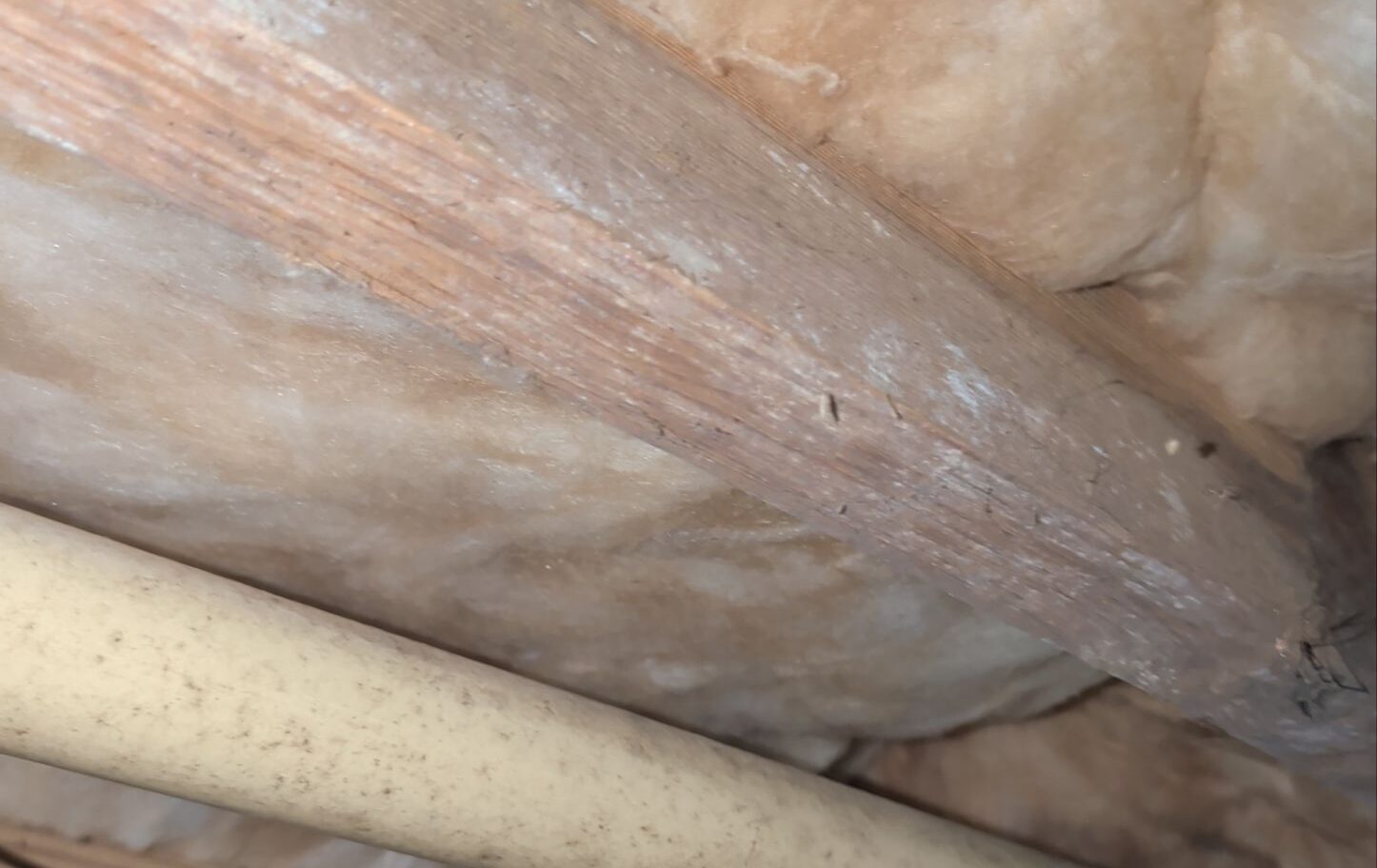
Wet soil and high humidity can lead to mold growth on wood. Wooden floor joists (the beams that hold up your floor) can soften and rot over time. You can read more about that in our post on rotting floor joists in a crawl space. Standing water can also weaken the soil under footings, the concrete base that piers and walls sit on.
When to Call a Crawl Space Professional
Some situations are best handled by a pro. Give us a call if you notice any of these:
- Water returns after every heavy rain, even after you’ve fixed gutters and downspouts
- Water sits for more than a day or two before drying out
- You see mold, sagging floors or wood that looks dark or soft
- Your vapor barrier is torn, floating or holding water
- You’re not sure where the water is coming from
An inspection helps pinpoint the source, so you only pay to fix what’s actually wrong.
How We Fix Standing Water in Crawl Spaces at Walsh
At Walsh, we start by finding out where the water is coming from and how it’s moving. Every home is a little different, so the fix depends on what we find. Common solutions include:
- Exterior drainage fixes, like routing downspouts and improving grading so water flows away from the house
- Interior drainage, where a perimeter drain collects water along the inside edge of the crawl space and carries it to one spot
- Sump pumps that pump collected water out and away from your home
- Crawl space waterproofing and encapsulation, which seals the space with a heavy liner to keep ground moisture out
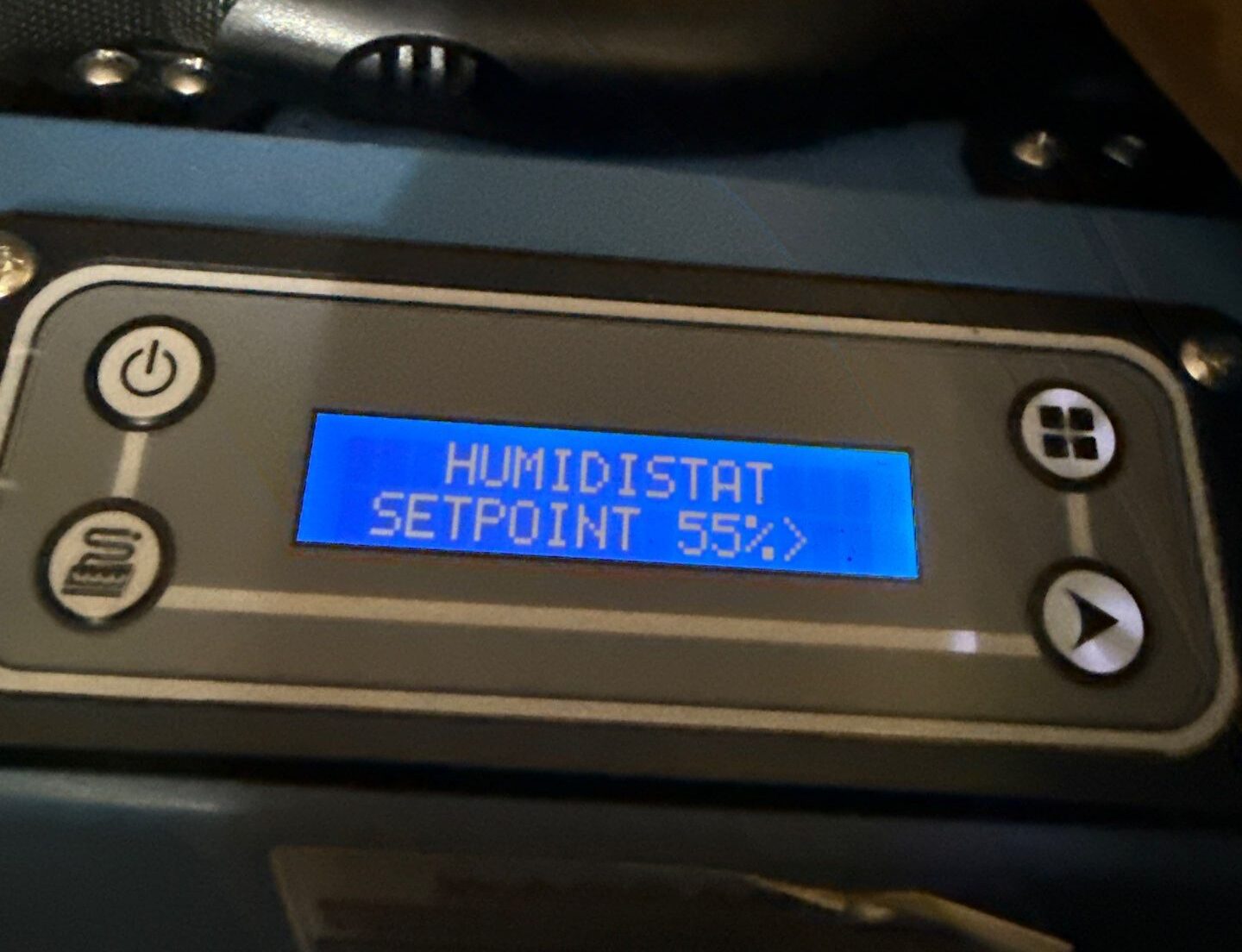
- Dehumidifiers to keep the air dry once the water is under control
You can learn more about our crawl space waterproofing services or read our drains and sump pumps guide for a closer look at how these systems work.
Frequently Asked Questions
Is it normal to have water in my crawl space after heavy rain?
No. A healthy crawl space should stay dry even after a big storm. Some dampness can happen in humid weather, but puddles mean water is getting in and not draining out.
Will standing water in a crawl space dry up on its own?
Sometimes it will, but the problem usually comes back with the next storm. While it sits there, it raises humidity under your home. That moisture can lead to mold, wood rot and pest problems.
Can I just use a shop vac to remove the water?
A wet vac can help in a pinch, as long as there’s no electrical risk. But it only removes the water you see. It doesn’t fix how the water is getting in.
Does a vapor barrier stop water from coming in?
A vapor barrier helps block moisture rising from the soil. It isn’t designed to handle flowing water on its own. If water pools on or under the barrier, you likely need drainage, too.
Does homeowners insurance cover crawl space water?
It depends on your policy and what caused the water. Policies often treat flooding and gradual leaks differently. Check with your insurance agent for details on your coverage.
Schedule a Crawl Space Inspection With Walsh
If you’re seeing standing water in your crawl space after rain, don’t wait for the next storm to find out how bad it gets. Our team serves homeowners across the Charlotte, Greensboro and Winston-Salem areas. We’ll find the source of the water and explain your options in plain language.
Schedule your crawl space inspection with Walsh today, and let’s get your crawl space dry for good.